Electrical Engineering
Established in 2008, the Department of Electrical Engineering has grown into a dynamic centre for technical education, innovation and professional development. The department offers a comprehensive undergraduate programme designed to equip students with the knowledge and practical skills required to meet the demands of the rapidly evolving electrical and energy sectors.
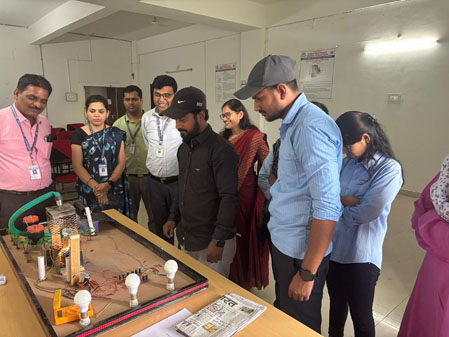
The curriculum is continuously updated in line with industry requirements and emerging technological advancements. Along with strong academic instruction the department emphasizes experiential learning through well-equipped laboratories, simulation tools, project-based learning and multidisciplinary activities. Students are encouraged to develop analytical thinking, problem-solving abilities and teamwork through mini projects, major projects, technical events and hands-on training.
The department is supported by a team of qualified and experienced faculty members with expertise in Power Systems, Electrical Machines, Power Electronics, Control Systems, Renewable Energy, Electric Vehicles, Smart Grids. Faculty members actively contribute to research, consultancy, publications and faculty development programmes while mentoring students in academic and professional pursuits.
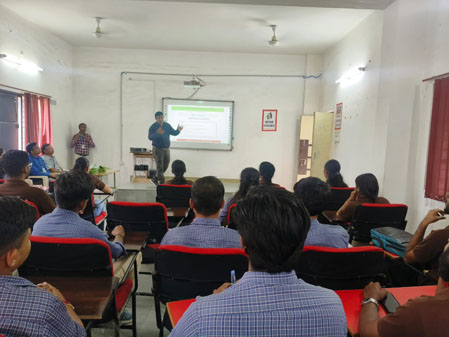
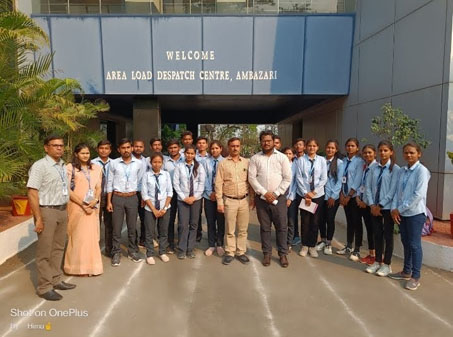
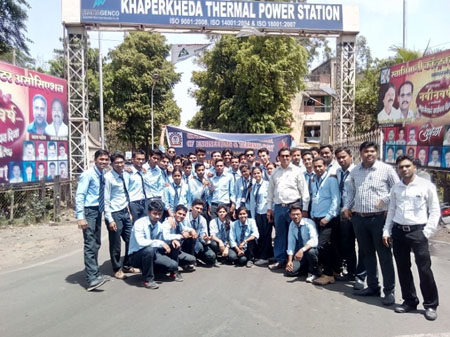
To enhance industry readiness the department organizes expert lectures, workshops, industrial visits, internship opportunities, value-added courses and certification programmes in collaboration with industries and professional organizations. These initiatives expose students to current technologies and real-world engineering practices.
The department also promotes innovation, research culture, entrepreneurship, ethical values and environmental sustainability. Students are encouraged to participate in technical competitions, professional society activities and community outreach programmes that foster leadership, creativity and social responsibility. Through outcome-based education and continuous quality improvement the department remains committed to developing competent electrical engineers capable of contributing effectively to industry, higher education, research and the sustainable development of society.
Teaching Scheme
Syllabus
Academic Calendar
VISION:
To evolve as a center of excellence for imparting knowledge in Electrical Engineering aimed at bringing out globally competent Electrical Engineers, Researchers, and Entrepreneurs with values.
MISSION:
- To provide state-of-the-art resources to achieve excellence in teaching-learning, research and development activities
- To provide suitable forums to enhance the creative talents of students and faculty members.
- To bridge the gap between industry and academia by conducting training programs based on industrial and societal needs
- To provide exposure for start-ups and research

Mrs Shweta A Rajurkar
Designation :- H.O.D. Electrical Engineering Department
Contact No:- 7028528091
Email id:- shwetarajurkar75@gmail.com
Qualification :- ME(EPS), PhD (Pursuing)
Teaching Experience :
Industry Experience :
Approved by RTMNU,Nagpur (Nagpur University)
From The Head Of The Department
Welcome to the Department of Electrical Engineering. Our department is committed to providing quality education and nurturing technically competent, ethically responsible and skilled engineers. With the support of our experienced faculty, we strive to create a positive learning environment that encourages academic excellence, practical knowledge and lifelong learning. Our goal is to prepare students for successful careers while inspiring them to contribute meaningfully to society.
News & Updates
Prof Yashwant Shende

Prof Rajesh Srivastava

Prof Chetan Bhale

Prof Nutan Moghe

Prof Priti Bhange

Prof Chetan Bhale

Prof Yashwant Shende

Prof Vipin Jais
Programme Outcomes (PO’s)
Engineering Graduates will be able to:
PO1. Engineering Knowledge: Apply the knowledge of mathematics, science, engineering fundamentals, and an engineering specialization to the solution of complex engineering problems.
PO2. Problem Analysis: Identify, formulate, review research literature, and analyze complex engineering problems reaching substantiated conclusions using first principles of mathematics, natural sciences, and engineering sciences.
PO3. Design/development of solutions: Design solutions for complex engineering problems and design system components or processes that meet the specified needs with appropriate consideration for the public health and safety, and the cultural, societal, and environmental considerations.
PO4. Conduct investigations of complex problems: Use research-based knowledge and research methods including design of experiments, analysis and interpretation of data, and synthesis of the information to provide valid conclusions.
PO5. Modern tool usage: Create, select, and apply appropriate techniques, resources, and modern engineering and IT tools including prediction and modeling to complex engineering activities with an understanding of the limitations.
PO6. The engineer and society: Apply reasoning informed by the contextual knowledge to assess societal, health, safety, legal and cultural issues and the consequent responsibilities relevant to the professional engineering practice.
PO7. Environment and sustainability: Understand the impact of the professional engineering solutions in societal and environmental contexts, and demonstrate the knowledge of, and need for sustainable development.
PO8. Ethics: Apply ethical principles and commit to professional ethics and responsibilities and norms of the engineering practice.
PO9. Individual and team work: Function effectively as an individual, and as a member or leader in diverse teams, and in multidisciplinary settings.
PO10. Communication: Communicate effectively on complex engineering activities with the engineering community and with society at large, such as, being able to comprehend and write effective reports and design documentation, make effective presentations, and give and receive clear instructions.
PO11. Project management and finance: Demonstrate knowledge and understanding of the engineering and management principles and apply these to one’s own work, as a member and leader in a team, to manage projects and in multidisciplinary environments.
PO12. Life-long learning: Recognize the need for, and have the preparation and ability to engage in independent and life-long learning in the broadest context of technological change.
Programme Specific Objective (PSO’s)
At the end of the program, the students will be able to:
PSO1: Analyse, design, create Electrical Systems and use associated software’s to improve performance of Electrical Systems.
PSO2: Associate the learning and deal with real world problems in electrical engineering and arrive at optimal solution.
Programme Educational Objectives (PEOs)
The Graduates of Computer Science & Engineering will be able to
PEO 1: Apply concepts of various courses & acquire knowledge of various emerging trends in Electrical Engineering
PEO 2: Design, develop & implement various interdisciplinary and innovative systems.
PEO 3: Inculcate effective communication skills, team work, ethics, and leadership in preparation for a successful career in industry and R&D organizations.
Department Highlights
- Experienced and dedicated faculty members.
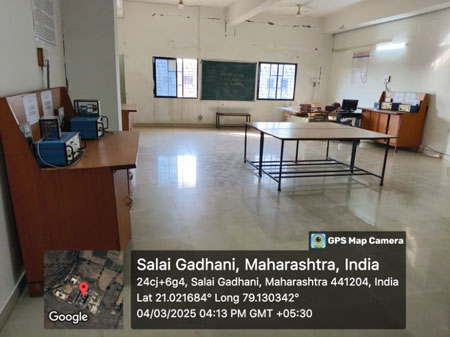
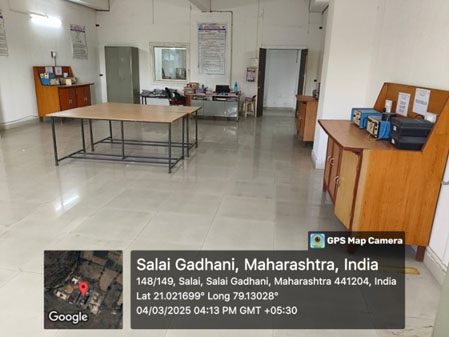
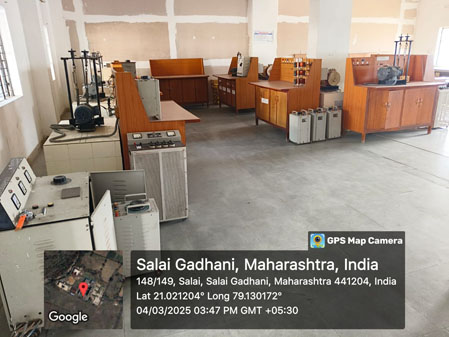
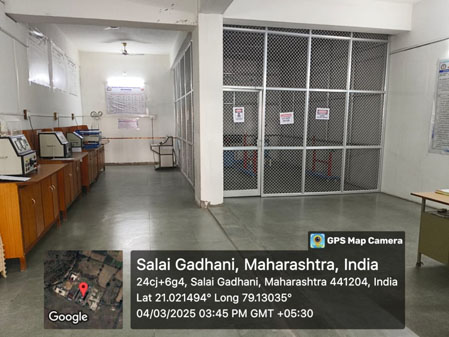
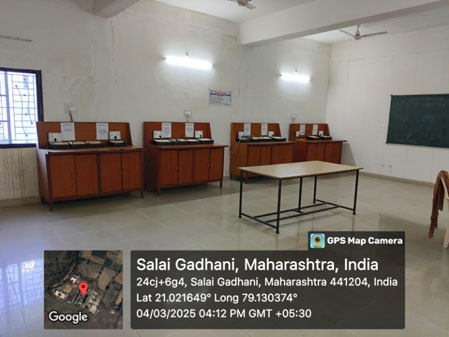
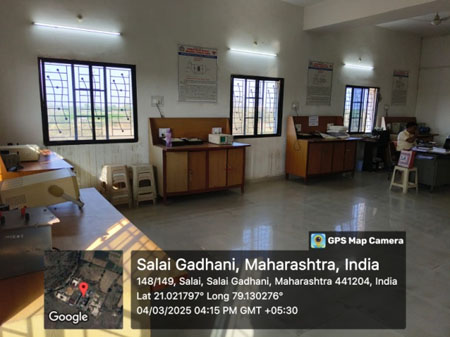
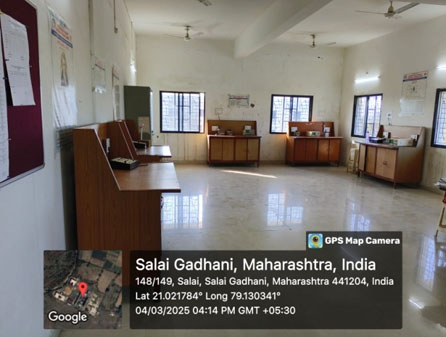
- Well-equipped laboratories with modern equipment.
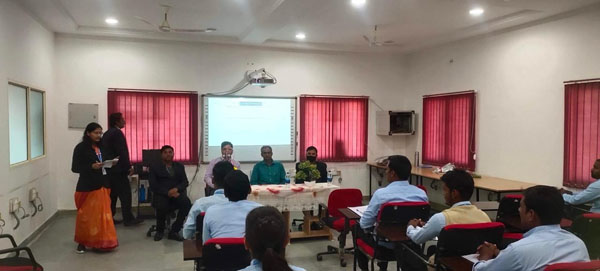
- ICT-enabled classrooms.
- Regular industrial visits and expert lectures.
- Active research and publication culture.
- Student participation in technical competitions and hackathons.
- Value-added certification courses in emerging technologies.
- Industry collaborations and MoUs.
- Strong mentoring and academic support system.
- Excellent placement and internship opportunities.
- Continuous focus on innovation, entrepreneurship and skill development.
Laboratories and Infrastructure
Laboratories
- Basic Electrical Engineering Laboratory
- Electrical Machines Laboratory
- Power Electronics Laboratory
- Control Systems Laboratory
- Electrical Measurements Laboratory
- High Voltage Engineering Laboratory
- Switch Gear and Protection Laboratory
Infrastructure
- Smart classrooms
- Department library
- Seminar hall
- High-speed internet connectivity
- Licensed software MATLAB/Simulink
- Project laboratory
Research Activities
The department actively promotes research and innovation in emerging areas of Electrical Engineering.
Major research areas include:
- Smart Grids
- Renewable Energy Systems
- Electric Vehicles
- Power Electronics
- Battery Energy Storage Systems
- Artificial Intelligence Applications
Faculty members regularly publish research papers in reputed journals and conferences.
Faculty Achievements
The faculty members have made significant contributions to teaching, research, and professional development.
Achievements include:
- Research publications in SCI/Scopus/IEEE journals
- Books and book chapters
- Patents filed/published/granted
- Invited expert lectures
- FDPs, STTPs, and workshops attended
- Awards and recognitions
- Membership of professional societies such as ISTE.
The department actively collaborates with industries to bridge the gap between academia and industrial practice.
Collaborative activities include:
- Memoranda of Understanding (MoUs)
- Industrial training
- Student internships
- Expert lectures
- Industrial visits
- Joint workshops
- Curriculum enrichment
- Placement support
Events, Workshops, Seminars and FDPs Conducted
The department regularly organizes academic and professional development activities.
Activities include:
- Faculty Development Programmes (FDPs)
- Short-Term Training Programmes (STTPs)
- National and International Conference
- Technical Seminars
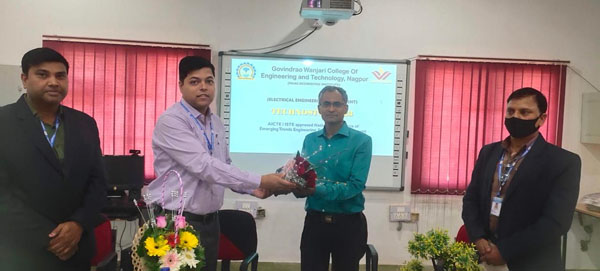
- Guest Lectures by Industry Experts
- Hands-on Training Programmes
- Industrial Visits
- Project Exhibitions
- Technical Quiz Competitions
- Student Development Programmes